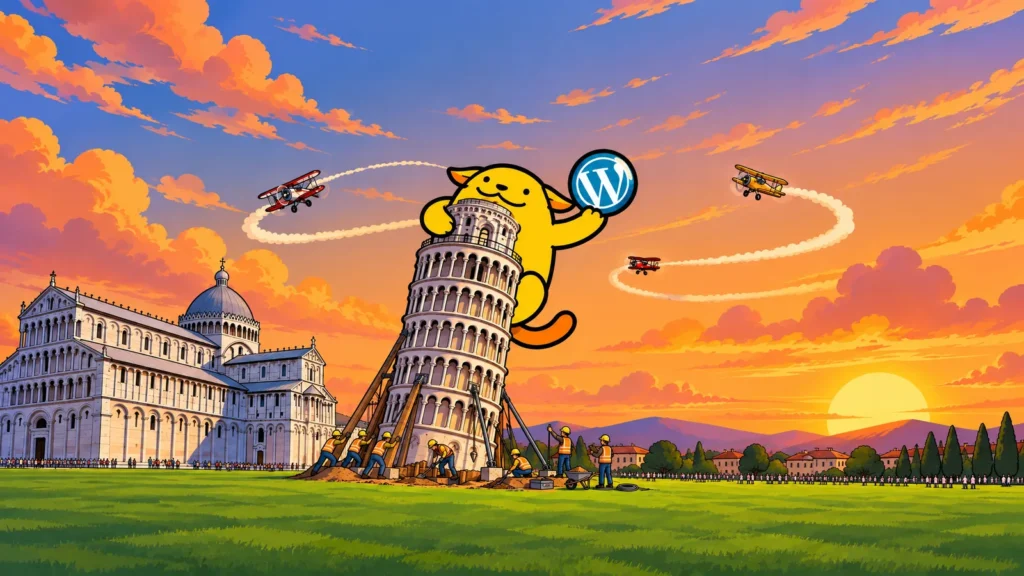
Leaning, not falling: Meeting WordPress community at WordCamp Pisa 2026
The Leaning Tower of Pisa started to lean almost as soon as it was built. Work began in 1173, the soft ground gave way after the first floors, and the tower has been tilting ever since. It is still standing more than eight centuries later.
It is not standing by luck. Between 1990 and 2001 the tower was closed while engineers removed soil from under its high side and pulled it back by about 45 centimetres. Nobody visiting today sees any of that work. They see a tower that leans, take the photo pretending to hold it up, and go for lunch.
I spent last weekend in Pisa, and I could not stop thinking that WordPress is in a similar place. Its share of the web has slipped a little in recent months, from just over 41% in July to around 40% now, according to W3Techs. That is a lean, not a fall. WordPress is 23 years old, still runs four sites in ten, and I expect it to be around for decades. Like the tower, though, it will not stay up on its own. People keep it standing, mostly where nobody can see them.
Those people were the subject of my talk, and in a way of the whole weekend. At WordCamp Pisa 2026, on 13 and 14 November at the University of Pisa, I had three roles: speaker, sponsor at the Hostinger booth, and table lead at Contributor Day.
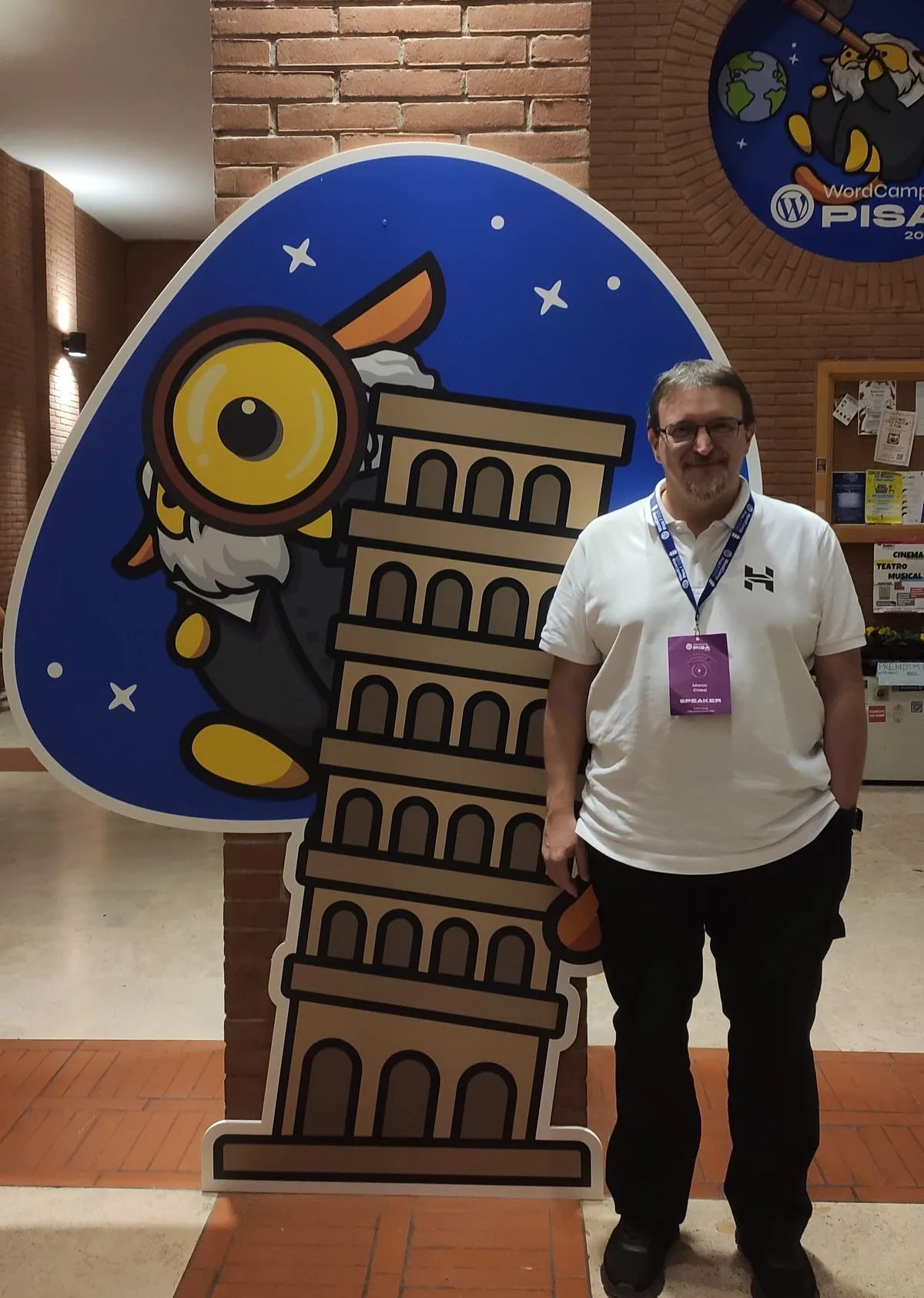
Speaker: WP2Shell and WordPress’s invisible heroes
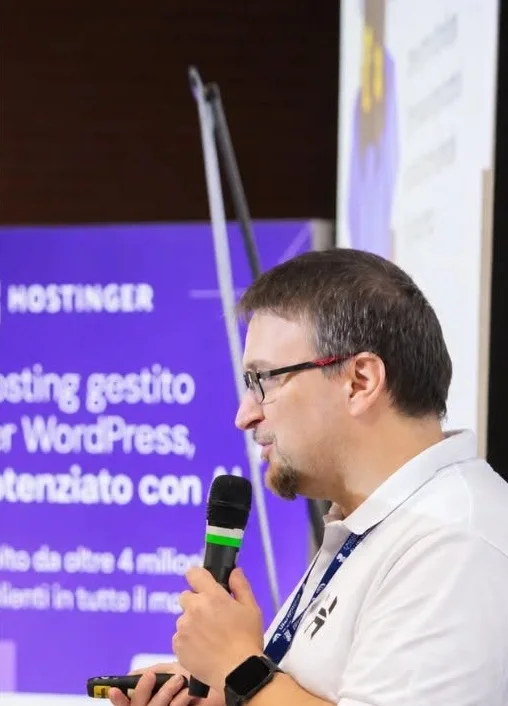
It was my first time on a WordCamp stage in seven years: my last talk at a WordCamp was in 2019. A lot has changed since then, in WordPress and in my own work, and it felt good to be back.
My talk, WP2Shell e gli eroi invisibili di WordPress (WP2Shell and WordPress’s invisible heroes), told the story of Friday 17 July 2026. That evening many site owners got the usual email saying their site had been updated to WordPress 7.0.2. Few read it, and fewer knew what was behind it.
Behind it was WP2Shell: a chain of two flaws in core that let an anonymous visitor take over a WordPress site. A permissions mismatch in the REST API batch endpoint, chained with an SQL injection, was enough to create an administrator, log in and upload a malicious plugin. No plugin needed, no login needed. The potential impact was enormous: around 500 million websites were at risk.
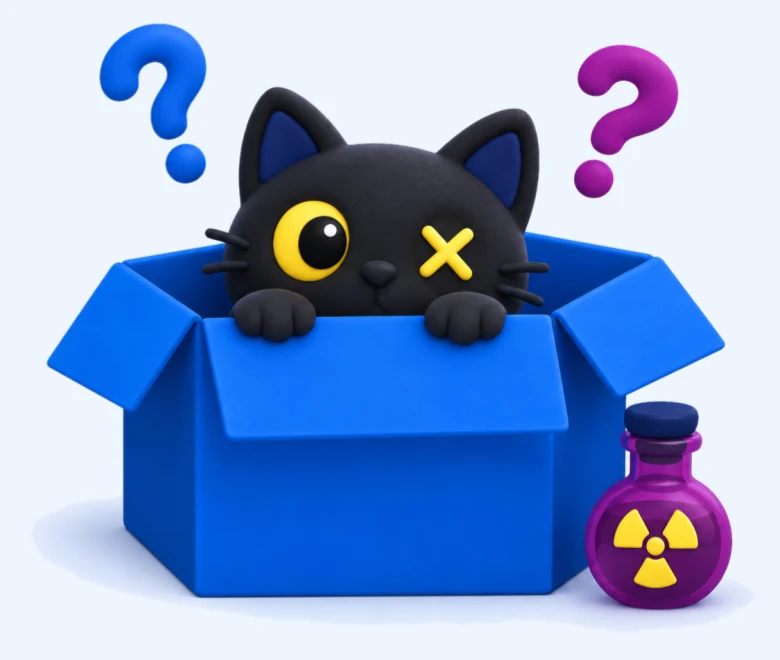
I opened with a show of hands: is WordPress secure? Yes or no? Both answers were right and both were wrong. A WordPress site is like Schrödinger’s cat, secure and vulnerable at the same time until somebody opens the box. On 17 July somebody did.
The talk was about the hours before that. A patch is also a map: the moment it is public, anyone can compare the code before and after and work out where to strike. AI has made that map quick to read. The researchers who found WP2Shell said they had completed the chain with an AI model in about ten hours, for about $25 of compute, and the first attack attempts were seen within roughly 90 minutes of the release. So protection has to be in place before the announcement, which means a small group of people has to know first.
That group is a network nobody sees: the researchers who report the flaws, the WordPress security team that fixes them and decides who to tell, and the hosts, CDNs and security companies that protect sites at different layers. The release announcement thanked people from seven companies, Hostinger among them. Most of them compete for the same customers every day. For a couple of days they shared rules and test scripts with each other, because the real competitor was the attacker.
What makes that work is trust, and you cannot improvise trust in the middle of an emergency. It is built over years of contributions, of people who know each other by name, of contacts who answer at any hour and keep quiet. The talk came out of that trust too: at WordCamp US in August I asked the WordPress security team lead what they thought of telling this story from behind the scenes. This was the result.
Meanwhile, at the cowboy party
At Hostinger the confidential notice arrived on Thursday evening, with a first firewall rule. We tested it on one server, rolled it out across the fleet overnight, and went through four versions of the rules in under 24 hours with the security team. By early Friday afternoon every shared server was protected, hours before the public announcement at 20:45.
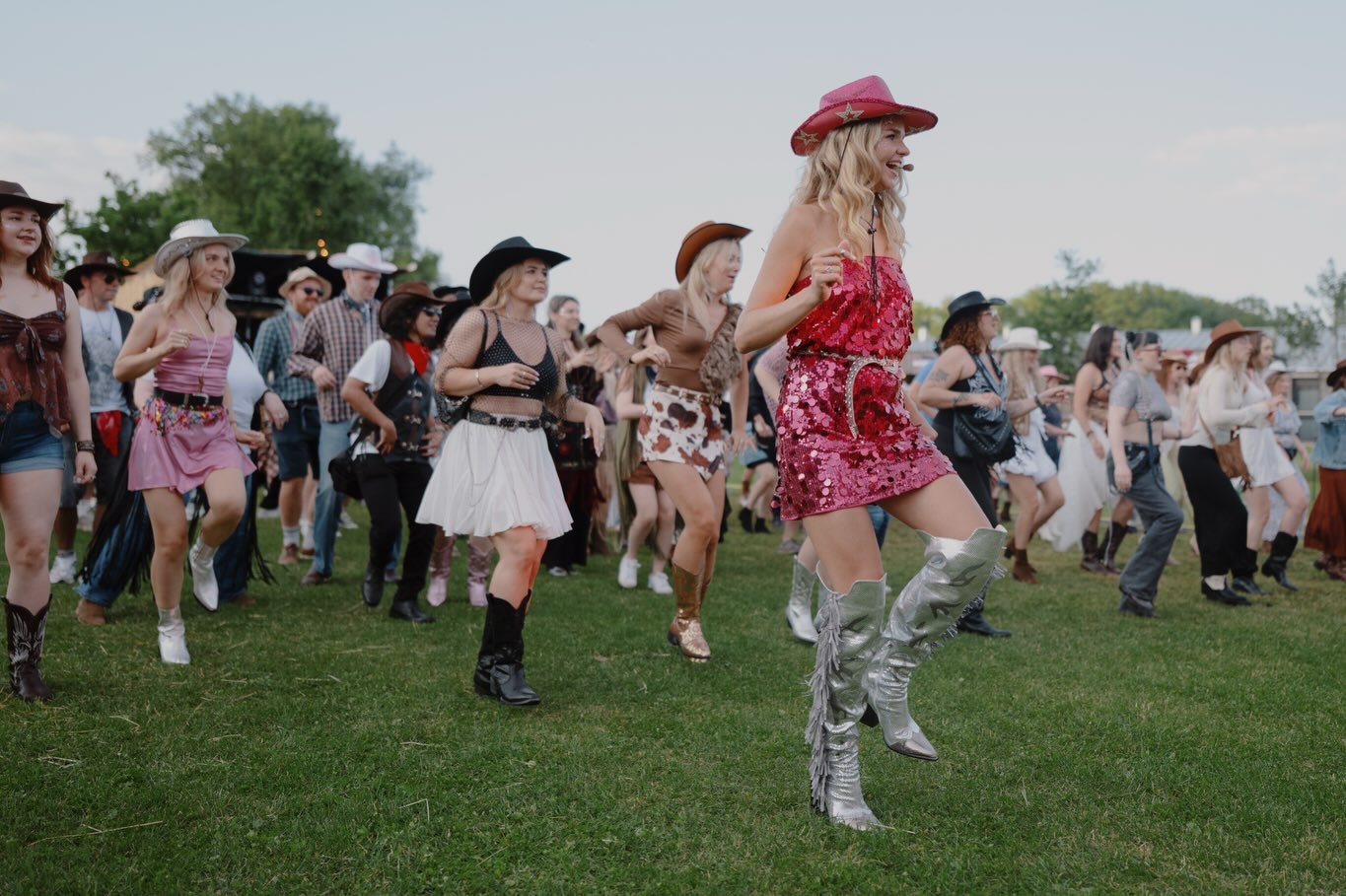
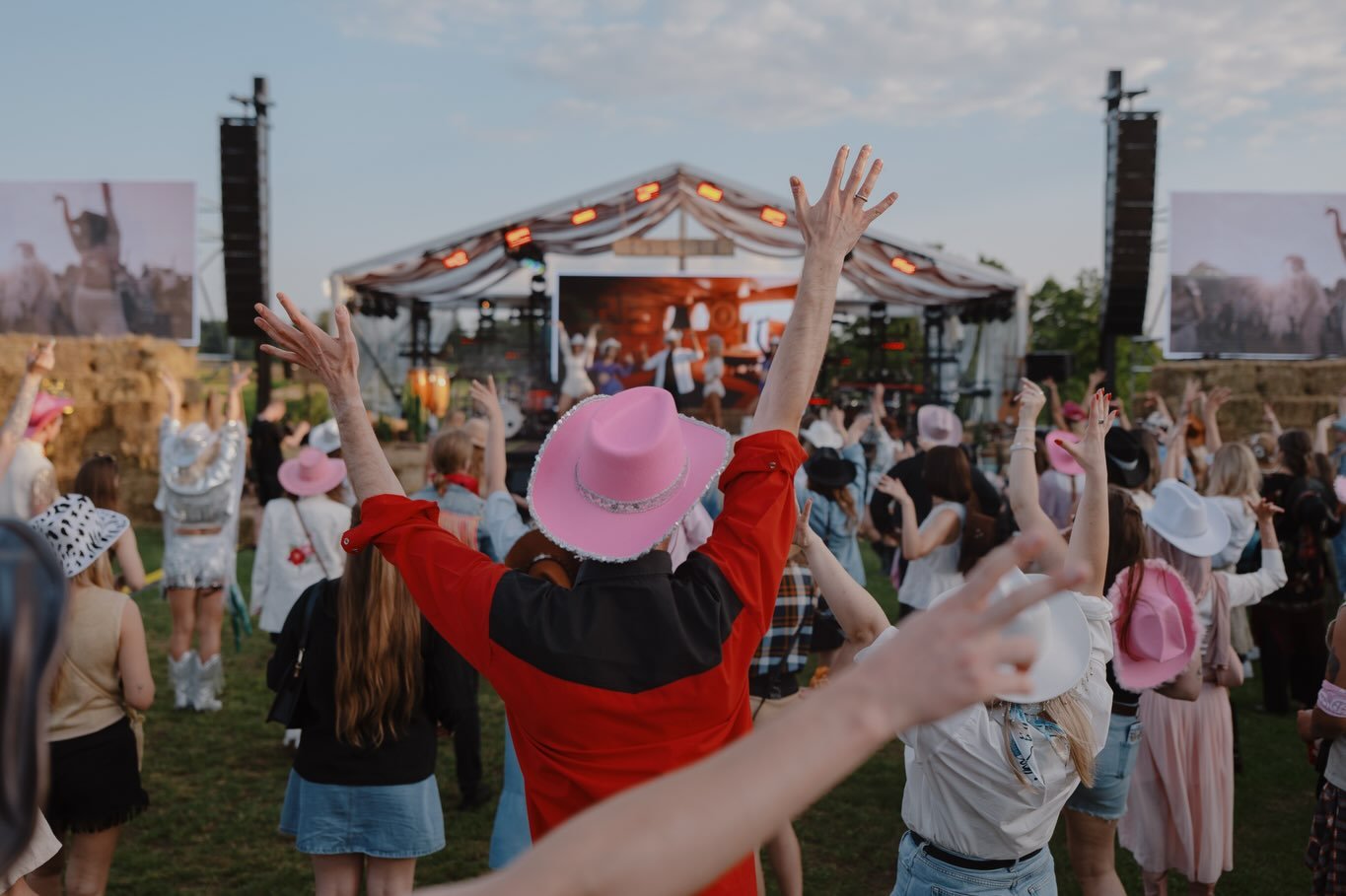
That Friday was also our annual summer party in Lithuania, themed Cowboy Extravaganza: around 500 colleagues from all over the world in hats and boots, line dancing, a mechanical bull, karaoke, a concert, and our CEO on stage dressed as a cowboy. In a corner, five or six of us, also dressed as cowboys, had phones in hand and were talking to the WordPress security team. Everyone was having fun, and nobody knew what was happening a few metres away. That is how it should be. In the Q&A someone asked whether I had tried the bull. I had not: I was on the phone.
The best question came from someone who runs their own server: how do you get this protection if you are not one of the hosts that gets told in advance? A CDN with managed firewall rules, or a security service that ships virtual patches, covers you in the meantime. Disclosure has to stay limited to keep it from leaking, so anyone outside the circle gets the information a little later. That is an honest trade-off, and I said so.
When security works, it does not make the news. Nobody writes the headline “500 million sites not hacked”. That is why I call them invisible heroes.
Sponsor: conversations at the Hostinger booth
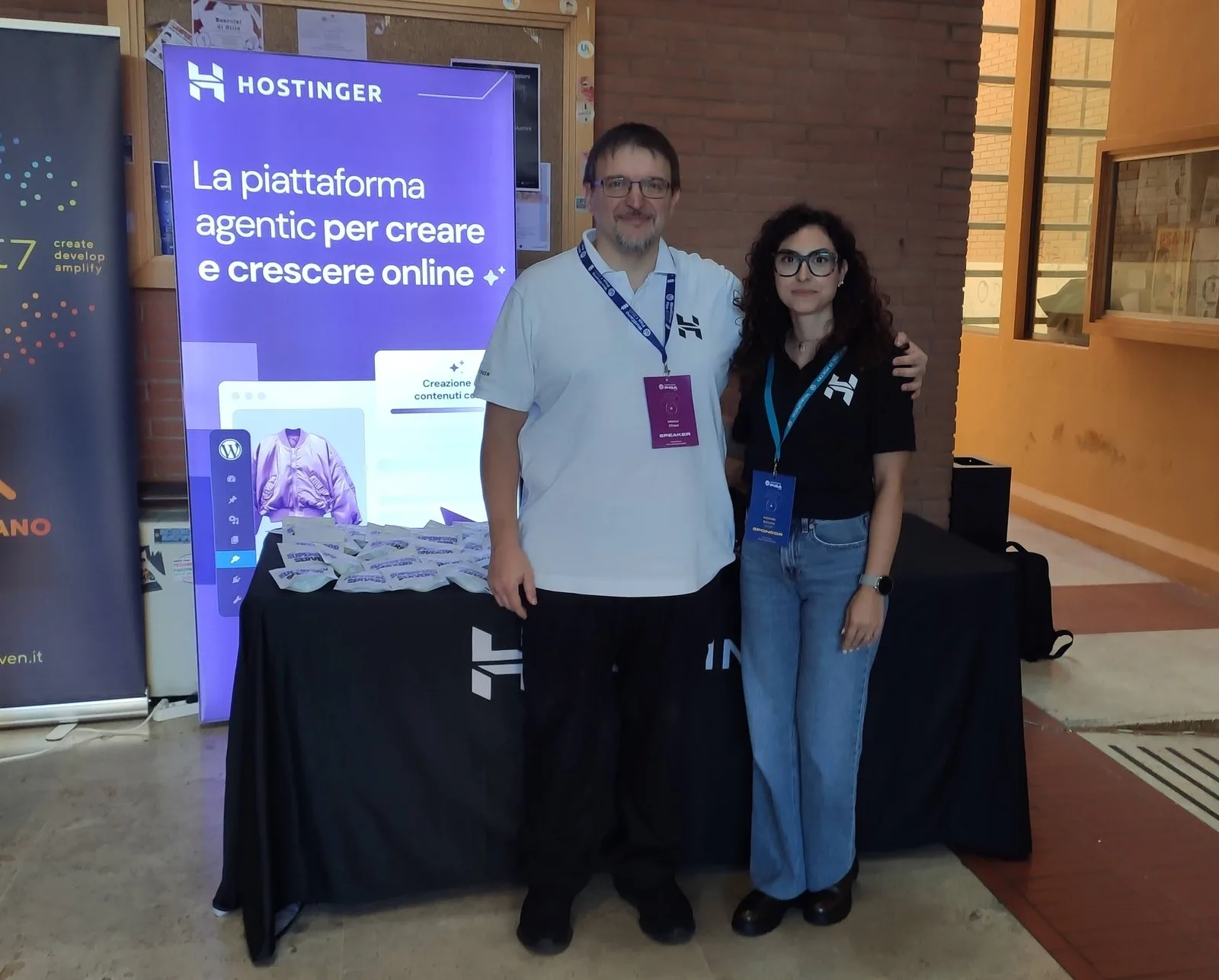
Hostinger is one of WordPress’s global community sponsors, which means it supports local WordCamps and WordPress meetups all over the world, Pisa included. Between sessions I was at the booth, where some of the best conversations of a WordCamp happen, because people come with a real question rather than a polite one.
This year the questions were almost all about where technology is heading. Talk after talk mentioned AI, and so did nearly everyone who stopped by: agencies wondering what agents will change in the way they build and maintain sites, developers curious about MCP and what it means for WordPress, site owners trying to tell a real shift from noise. I do not think anyone has the full answer yet, me included. Saying that openly made for better conversations than any pitch would have.
Contributor Day: a double table for Plugins and Core AI
Friday was Contributor Day, at the computer science department in the Polo Fibonacci. I led a double table, Plugins and Core AI, and it will surprise nobody that AI was the main topic on both sides of it.
The plugin side starts from a number that is hard to ignore: submissions to the WordPress.org plugin directory have risen dramatically. Much of that is a side effect of AI, and it will likely mean more and more plugins that matter less and less. And that is only the visible part. Nobody knows how many more plugins are now built with AI for a single client project and never even considered for the directory.
Over the two days I asked the same simple question to many of the people I talked to, at the table and around the WordCamp: what share of the code you ship today is written with AI? The lowest answer I got was 95%. Most people just said 100%.
What struck me more was what they are not doing. Nobody was planning to switch technology because of AI. They apply AI to whatever stack suits the project: WordPress where it is the best choice, something else where a different stack fits better. That is also my reading of the slow decline in WordPress’s market share. It probably has more to do with beginners, who now have cheaper and easier ways to put a site online, than with professionals. For web projects that need stability, flexibility and security, WordPress is still a top choice among the people who build them for a living.
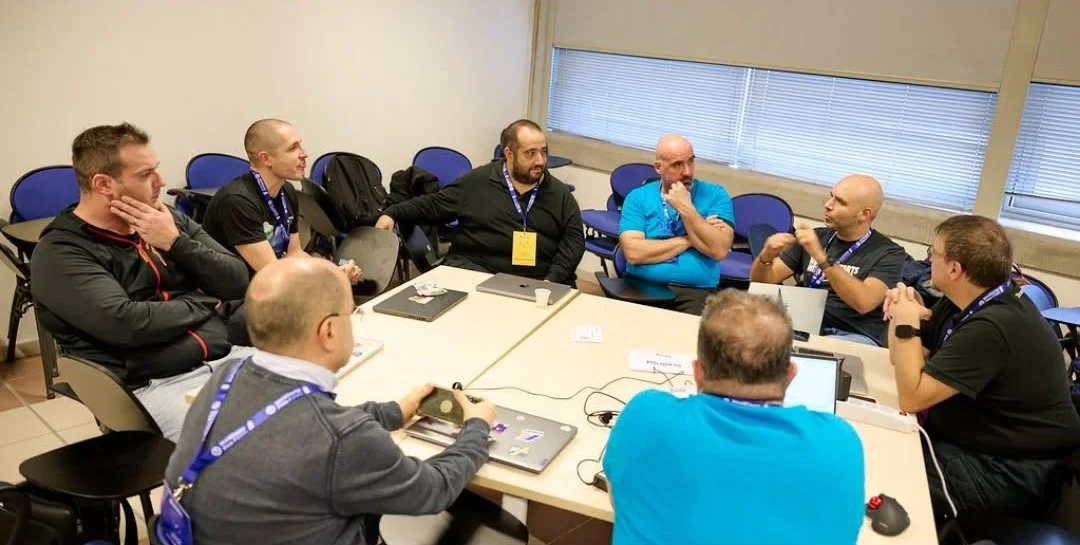
What I enjoy about Contributor Day is that there is no stage. You sit at a table with people you met an hour ago, and the conversation goes deeper than it ever could in a hallway: how they work, what worries them, where they think the project is going. This year our table did more talking than coding, and I do not count that as time lost. It is the same mechanism my talk was about, at a smaller scale: the trust that makes contribution possible is built in conversations like these.
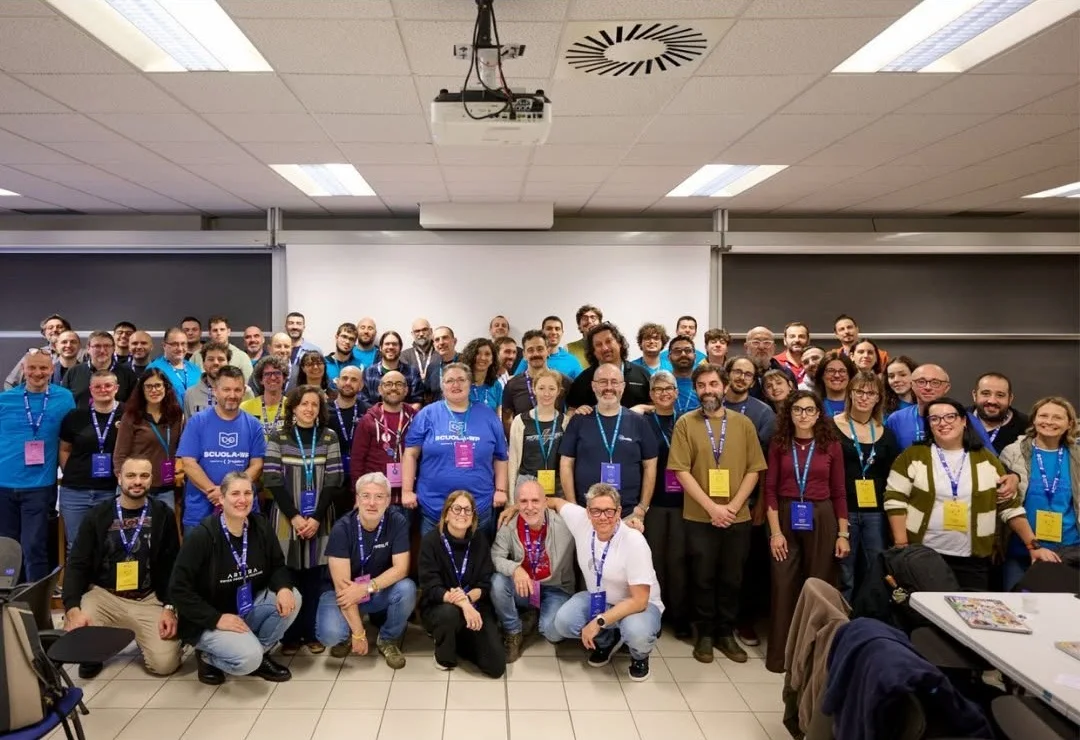
Still standing
The tower will keep leaning, and engineers will keep watching it. WordPress will keep losing a little share here and gaining some there, and for every release that goes out quietly there will be a group of people who made sure it was quiet. That is what I took home from Pisa: the project stands because people keep showing up to hold it, on stage, at a booth, around a table, or in a corner of a cowboy party with a phone in hand.
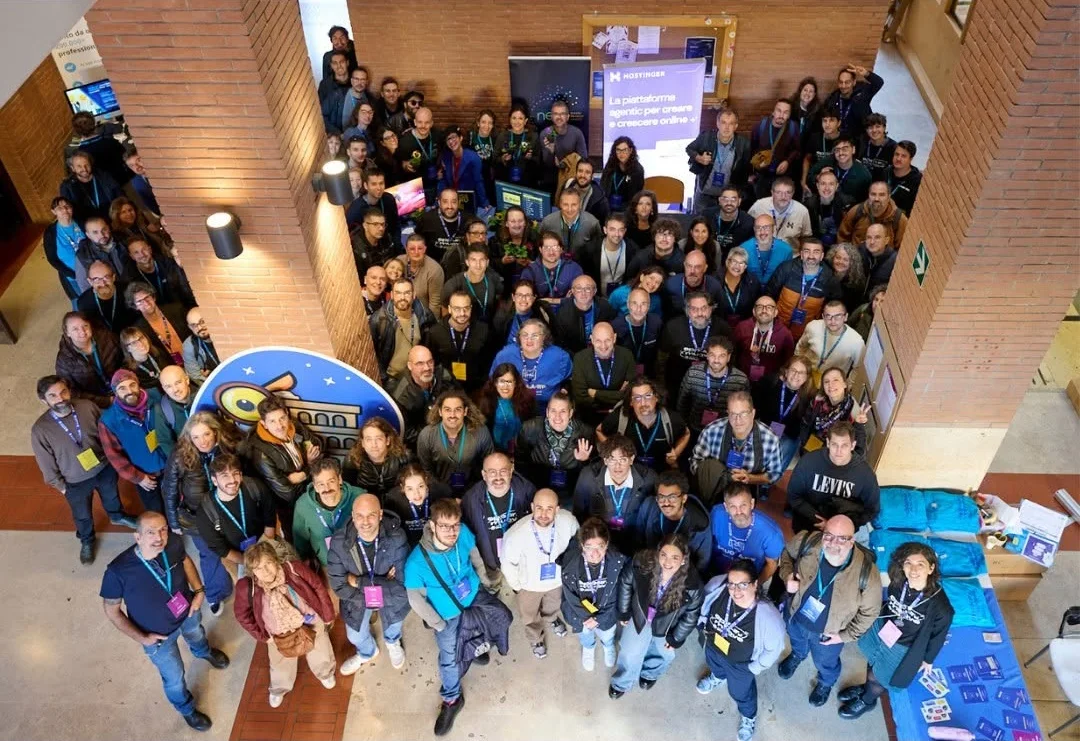
Thank you to the organisers, the volunteers, the other speakers and everyone who stopped by the booth or sat at the table. See you at the next one.
Links
- The slides — in Italian, with every source listed.
- The recording — the talk starts at 1:31:45 of the Track 2 livestream.
- The talk page on the WordCamp Pisa site.
- WordCamp Pisa 2026 — the event site.
Related reading

WebMCP in the block editor — WordCamp US 2026 Contributor Day
WordCamp US ran Contributor Day as a hackathon. Five of us spent it teaching the block editor to expose its own actions as WebMCP tools, so an agent can edit a post live in the browser.
5 min read

Organising WordCamp Europe 2024: an interview for Osom To Know
Ohia and I joined Maciej Nowak to talk through what it actually takes to organise WordCamp Europe — remote coordination, visas, suppliers, and the volunteers who make it happen.
5 min read

Grunt: automation for “lazy” developers — WordCamp Bari 2019
The Italian, full-length version of the Grunt talk: automating the repetitive parts of WordPress plugin and theme development so you can spend attention on the parts that matter.
1 min read